What is Personal Blogging and Why I Think Its Important in 2026
Personal blogging, in short, is PERSONAL!
It is more like journal. Journal usually are private, written for yourself. Personal blog is a journal that is public. A journal that is written from your perspective but shared with the world.
If I have to elaborate personal blogging as a definition, these few elements define a personal blog.
The writer[s] – Mostly, personal blogs are diaries – written by one person.
The Content – In my opinion, this defines the most if a blog is personal or not. Most personal blog content is about the author’s experiences, feelings, or ideas. So topics usually tend to be random around a core subject.
The Style – Personal blogs are author-centric — not user-centric. Personal bloggers usually write for their own satisfaction but not to please readers. So, we often see no formatting or side headings on personal blogs.
No SEO TARGETING – Commercial blogging involves a lot of keyword research, topic research, volume analysis, user intent analysis, and much more. Personal blogs usually don’t do any of this. They usually share their experiences.
The Tone - It is not set in stone, but usually the tone tends to be first person singular. I believe, I think, my experience is, according to my 10 years experience, my tests reveal this, and so on…
Note: writing in the first person singular alone doesn’t make any blog a personal blog, many commercial blogs use first-person plural and some even use first person singular as a style choice. Yet, the content is targeted around definitions, keyword rich side headings, formating based on scalability. Just by reading a few lines, you can clearly see, these are not personal at all.
If you are one of those that learn from REAL examples, here are some
Derek Sivers, andy-bell.co.uk/blog/, https://www.ssp.sh/brain/ and seths.blog/ are some examples.
Another great example is kottke.org a blog running as a personal blog from 1998 to till date.. What’s interesting about Jason Kottke is that consistency over decades turned a purely personal blog into a sustainable business, without ever losing the personal voice or chasing trending topics. It’s proof that you don’t have to compromise what makes a personal blog personal to build something lasting.
Here is my personal blog example:
This is how a typical post from a personal blog would look.
Post Title: A few traits to explain personal blogging.
Though 95% of the content on this post is based on my thoughts, observations, and experiences with writing for the web, I had to do a typical blogger thing of searching in Google to see what other people are writing about this topic.
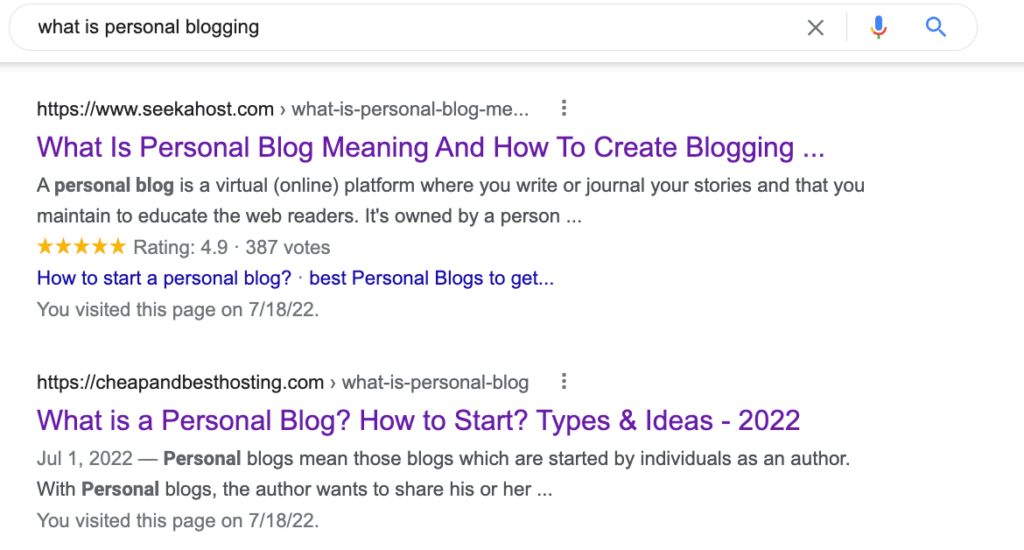
I see most of these top 10 articles on the SERP page for this topic of personal blogging are mainly concentrating on the Wikipedia definition of “a diary on a digital platform written by one person, not a corporation or a business”. That is one of the few dynamics that define a personal blog. And I don’t see why almost all these articles have content related to starting a personal blog as personal blogs can range from WordPress to Instagram posts which in most cases are easy to make.
You can see all the elements of a personal blog in the above 150 words.
1. My experience with an incident
2. It is author-centric – Nothing in that 150 words is user-centric
3. Presentation is off – too many words in one paragraph or a sentence, no side headings, not consumable easily.
4. Non-Commercial Tone – Though a commercial topic, the article is written in a random non-commercial tone without any elements of search engine optimization.
No SEO – No keyword (which I believe is an outdated concept) or topic research, no formats, or no subtopics covered to make it comprehensive. There was no search intent research either.
Wrote in first person.
Now that you know what is it, lets take a look at why it is important now in 2026:
Why Personal Blogging Is Thriving Again
Personal blogging used to be a thing around 2005-2011. Back then it was all blogger.com experience sharing, expression sharing was called blogging. In fact personal blogging was actually blogging back then. It all changed with growing SEO community. We all started to milk the concept of blogging and changed it to more structured, format based, keywords and LSI based writing. If you open the web now, there are very few such expereinces and emotions rich blog posts.
But, thanks to AI content overload, in 2026, I am seeing some ray of hope for those who blog naturally and personally without thinkging one bit about search engines or keywords, LSIs, word counts, heading tags, images in webP format and so on.
Search engines are actually ranking up high those personal blogging style expereince based, and emotions sharing blogposts for commercial keywords even though they are not some highly appreciated blogs from SEO perspective, I mean no backlinks, no real targetting and no obvious keywords, volumes or topical authority as guiding factors in topic selection.
Right from best pages to process guides, and independent software reviews, all are being appreciated by personal touch to the post.
Here are some examples of SEO_Rich websites using some personal bloggers and personal blogging style to get that edge over SEO_Wise more powerful websites.
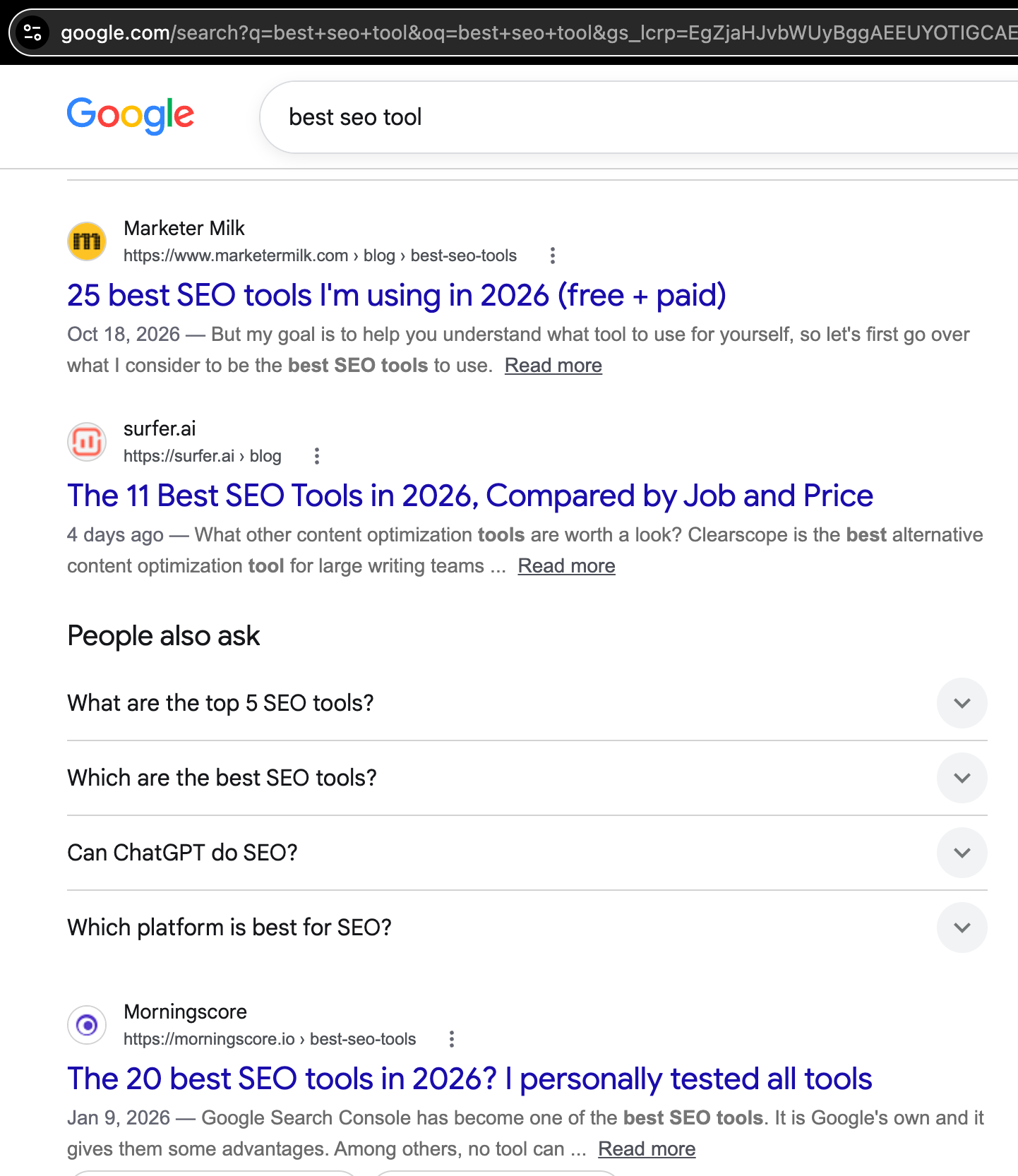
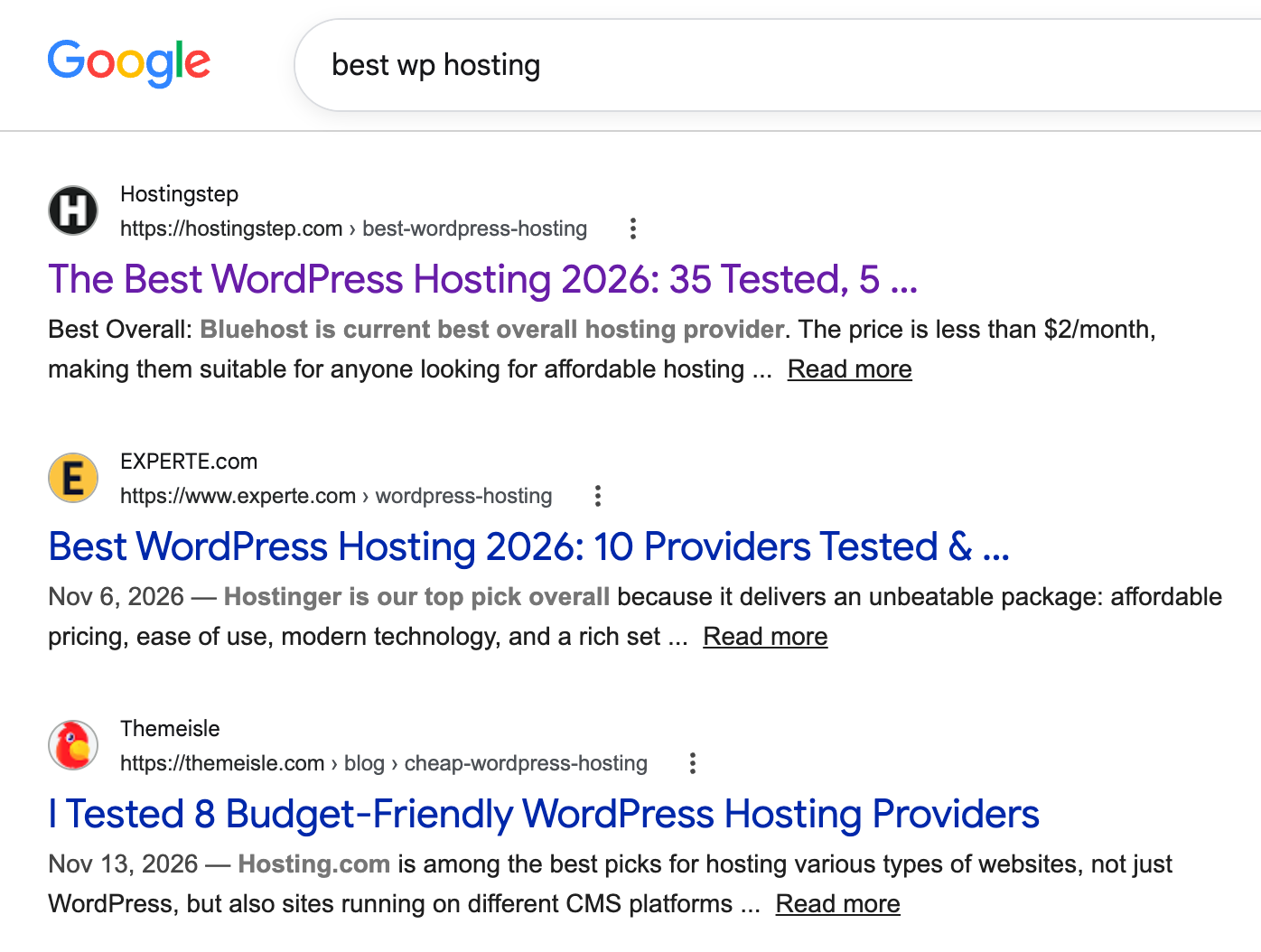
Sure, these are examples of websites that have SEO value and probably that helped.
But, here are some more examples of independent bloggers with very little SEO authority ranking up for highly competitive terms. This shows, what kind of impact personal blogging can have on topics that are more inclined with experience and emotion sharing.
For instnace most products like surfer editor, mac airbook m4 are kind of first person singular [I think, I experienced, I feel, I share] kind of reviews instead of first plural [we think], or third person kind of writing.
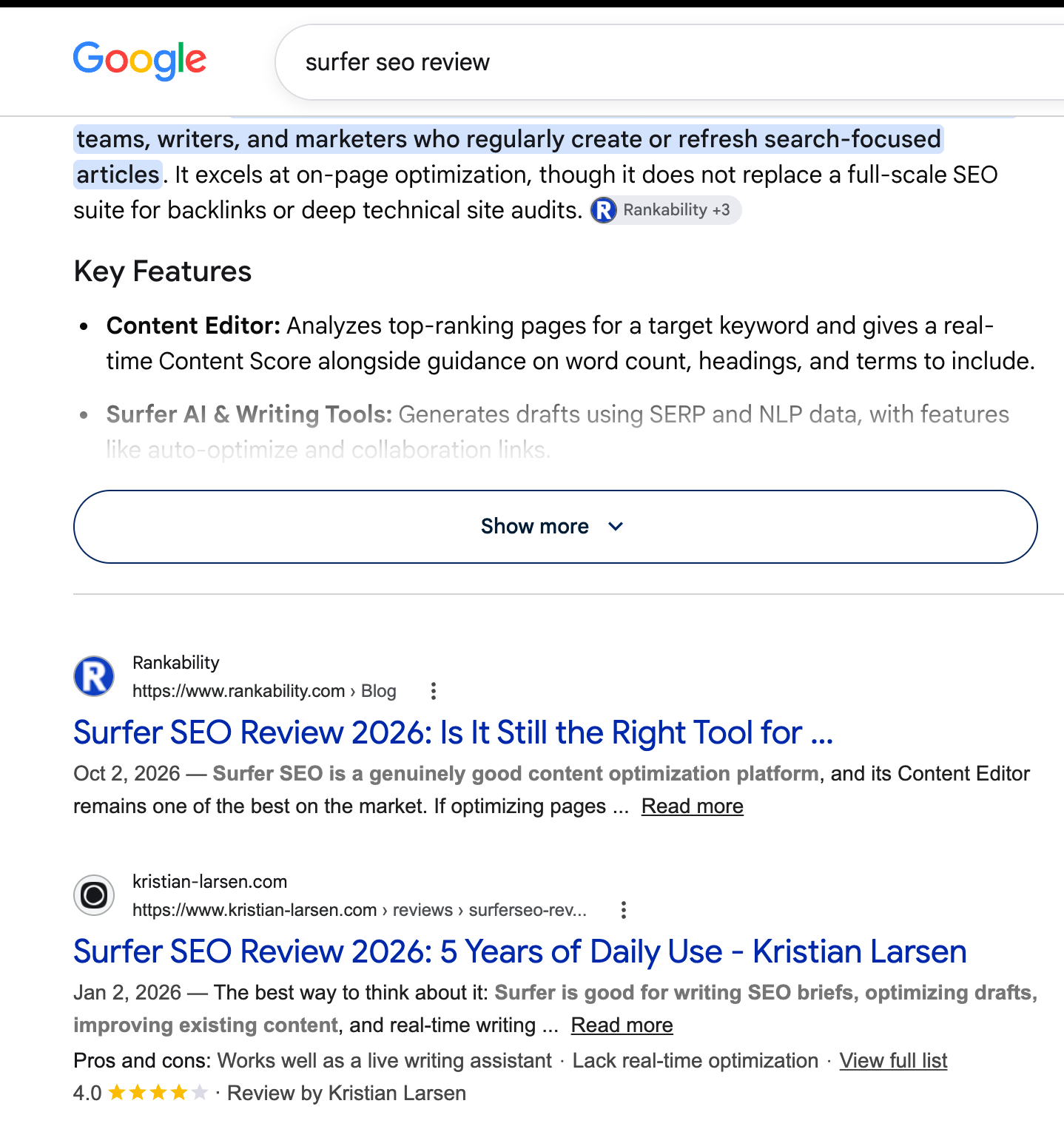
So, I believe, the AI and LLM automation capacity has helped search engines to go to this micro level understanding of content and topics to see what works better for readers. Also now they can really dig deep at scale and uncover great content even without authority or backlinks.
And, this is huge. Especially for the web as a whole.
Why?
Because now, we bloggers who are sharing our expereinces have some appreciation and visibility. That inspires us to share more. Not because of keywords or volumes, but this kind of appreciation inspires us to observe more, think more and write more.
And personal blogging kind of first-person singular expereince sharing, and emotion sharing applies to a lot more products [there are more b2c products compared b2b products], I believe, its time for personal bloggers to start writing again. All naturally without any AI help, or keywords or volumes. Just share your experriences without worrying to much about formating or SEO aspects. You have a good chance to get up there and have some visibility for your thoughts.
AI probably will copies from AI, until everything sounds the same. or may be we are already there. And that probably is how or why I think personal voice, or experience sharing or expressing emotion kind of blogging is what probably will make you more lucrative for AI-Answer Engines or even Google Search..
The rise of Substack is a good signal here. Substack’s growth isn’t driven by SEO or corporations — it’s driven by people wanting to read other people’s real experiences and opinions.
Newsletters in general have seen massive growth for the same reason: they’re essentially personal blogging to a targeted, opted-in audience. You’re not writing for Google — you’re writing for people who chose to hear from you specifically.
This is also why blogging still matters even in an AI-saturated world. The personal angle is the one thing that’s genuinely hard to replicate.
Coming back to personal blogging, I see there are many resources on how to start a blog or personal blog. Also, there are quite a few posts on what is personal blogging that cover mostly how to start a blog. If you’re thinking about starting your own, your About Me page is one of the first things worth getting right — it’s the one page on a personal blog that readers actually go looking for.
So I made an effort to explain my views on personal blogging and the elements that make it personal.
Hope you like it. If you have any comments, opinions, or compliments, you can write me a comment or email. Thanks for reading!